
I think I’m Autistic… now what?

A light skinned woman with dark hair looks at a phone
Between 2012 and 2023, the number of autism diagnoses in kids and adults in the U.S. increased by 250%, from 1 in 88 to 1 in 36 (source: https://worldmetrics.org/autism-rise-statistics/).
Theories about why this is range from the deeply unscientific (vaccines and Tylenol during pregnancy) to the much more likely (awareness has increased, diagnostic criteria has broadened, marginalized groups like girls and people of color are being recognized as also having Autism, and so forth).
If you’ve suspected for a while that you are an Autistic adult, you may be wondering… what do I do with this information? So here are some possibilities for your consideration.
To Be Assessed, or Not to Be Assessed?
An official assessment by a trained professional can validate your suspicions of Autism to yourself and to others who have doubts. An assessment would also include recommendations and resources for ongoing support and treatment.
But many folks have legitimate concerns about obtaining an official assessment. For one thing, powerful people in the U.S. government have made direct attacks against Autistic folks. For another, they can be expensive, aren’t always covered by insurance, and have long waitlists.
Furthermore, while Autistic kids can obtain access to resources like IEP’s and special programming, these don’t exist for adults… at least, not in a way that would require an official diagnosis.
Due in large part to these concerns, most folks in the Autistic community consider self-diagnosis to be valid.
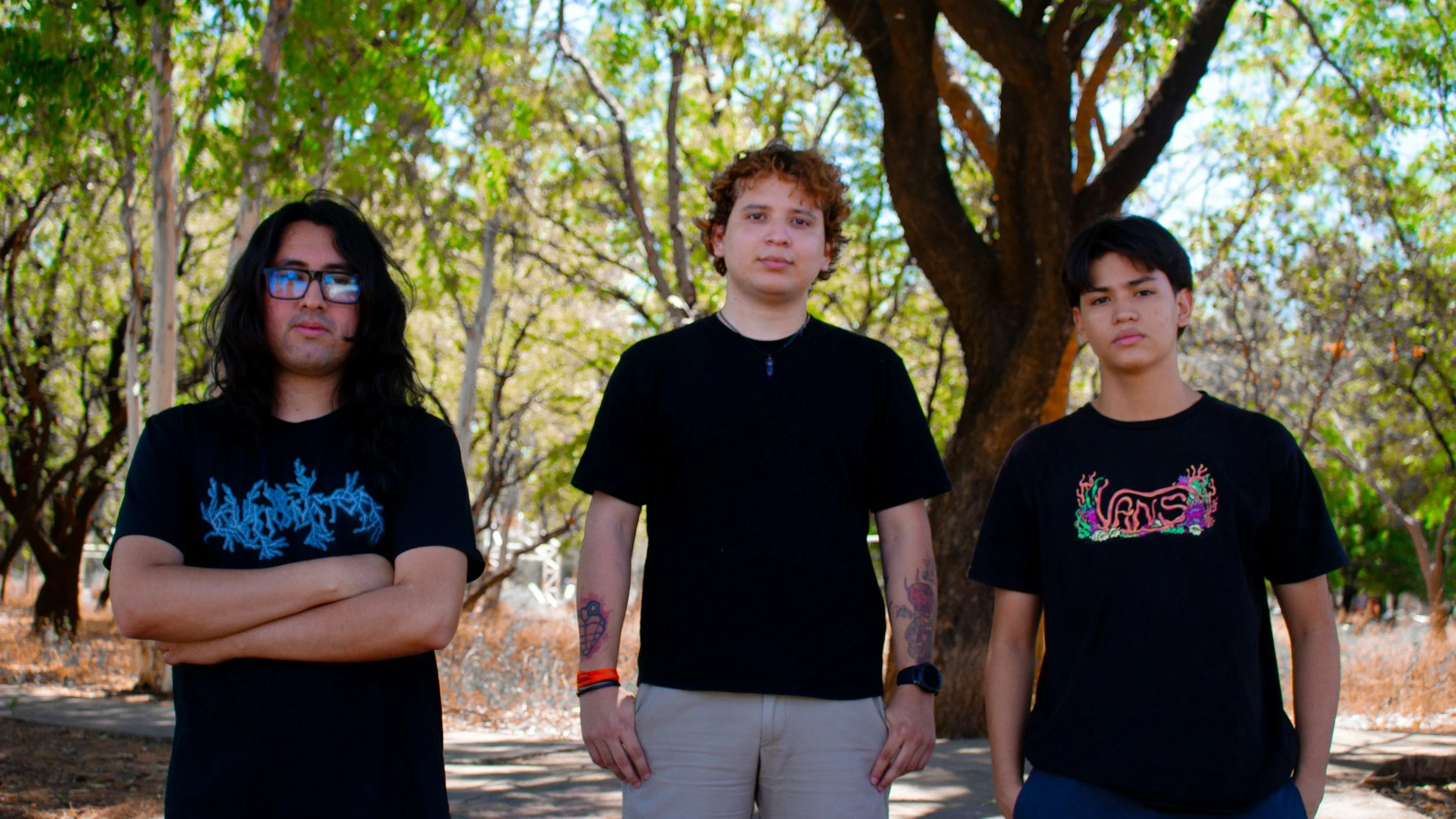
Three young men in t-shirts stand in a park
Find Affirming Community
Many Autistic folks find it helpful to join support groups for Autistic or neurodivergent folks who can affirm their experiences and share what has helped them. The Association for Autism and Neurodiversity offers nationwide (U.S.) support groups.
In Indianapolis, Easterseals offers an Autism family support group (complete the contact form or contact Bonnie Fisher at 317-466-1000 ×2488). Facebook groups are another great way to meet local Autistic folks and communities.
Seek therapy for Autism
Psychotherapy is an incredibly helpful resource for many people with Autism. Rebecca at Grounded Counseling is an neurodiversity affirming therapist who provides therapy to Autistic adults in Indiana and Illinois.
Therapy can help address co-occurring mental illnesses with Autism, which commonly include anxiety, depression, and complex trauma, to name a few.
Neuro-affirming therapy can also help Autistic adults develop relationship and social-emotional skills, and find tools and resources for executive functioning challenges.
Accommodate your Autism
Autism is a developmental “disorder” (some folks prefer the term “neurotype”) that cannot be “cured.”
The best way to cope with autism is to find useful accommodations and resources that work for your brain.
As a therapist for many Autistic folks, some of my most often recommended resources include…
Goblin Tools - a set of AI tools that assist with everything from creating to-do lists to making tough decisions
The Neurodivergence Skills Workbook for Adults with Autism and ADHD - a useful workbook by Jennifer Kemp MPsych, and Monique Mitchelson, MPsych, based in ACT and self-compassion practices to help you unmask safely, manage rejection sensitivity and social anxiety, and reduce sensory overload, among other useful skills.
Unmasking Autism - a helpful nonfiction work that explores highly masked Autism through a mix of history, social science research, personal anecdotes, and practical suggestions.
Do… nothing…?
If you are happy in your life and your Autism doesn’t significantly impact yourself or your loved ones, you… may not actually need to do much with this information.
After all, this is your life. You have the autonomy to decide how important this label and the neurodiversity lens are to you.

Do you live in Indiana or Illinois?
Are you interested in seeing a neurodiversity affirming therapy provider?
