
Five Useful Books for Late Diagnosed and/or Late Discovered Neurodivergent Folks
If you are newly diagnosed as an adult, or have long suspected you have ADHD, Autism, or AuDHD, and you’re wanting to learn more, it can be overwhelming to say the least.
There’s so much information out there and yet, in the age of social media, who can you trust? Whose information is accurate? Whose is actually helpful?
As a neurodivergent person and clinical therapist who helps late discovered people in my practice, here are some problems for which clients need resources, and the five books I most often recommend to them.
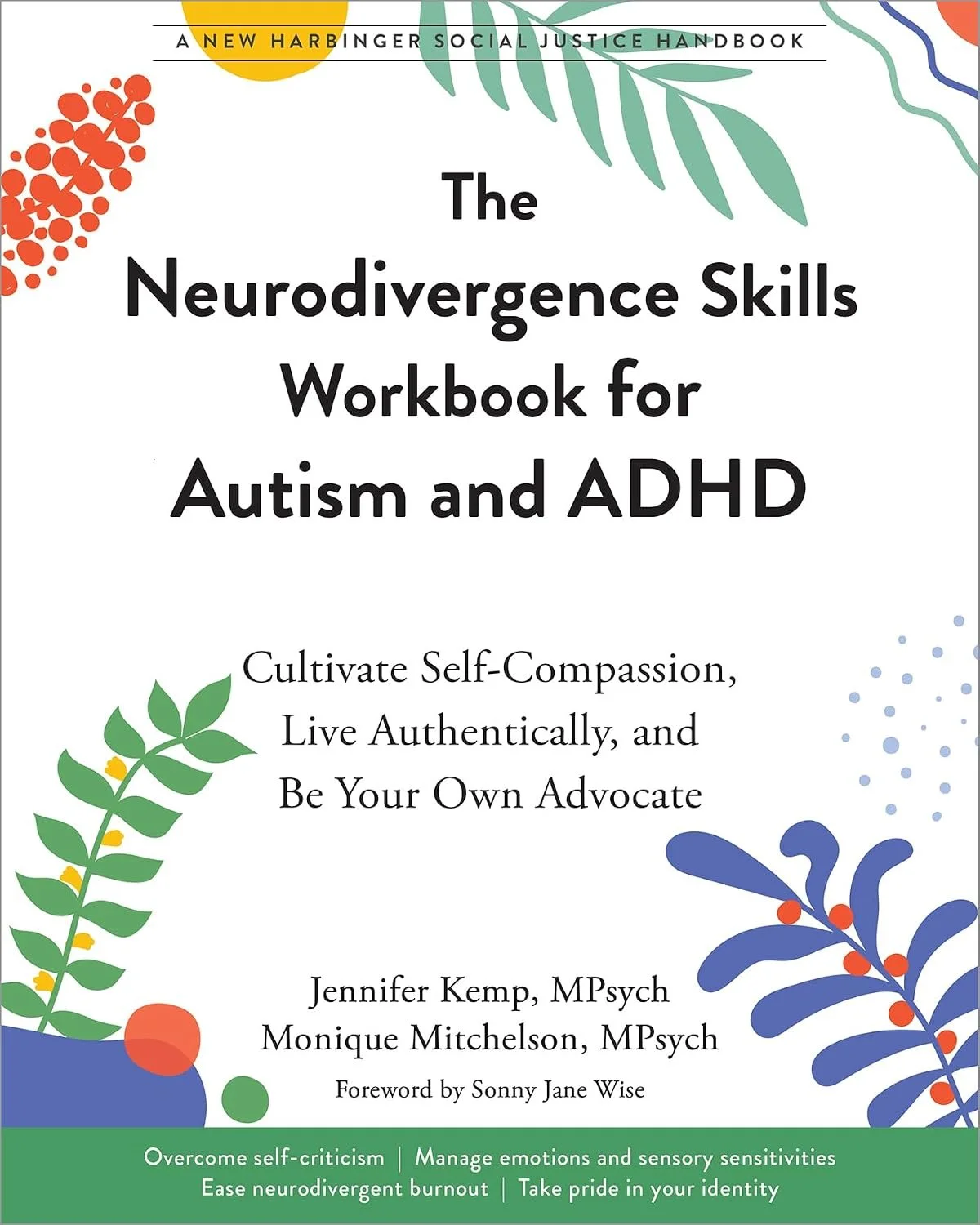
An Image of the Neurodivergence Skills Workbook for ADHD and Autism by Jennifer Kemp, MPsych, and Monique Mitchelson, MPsych
For the person who has no idea where to start… The Neurodivergent Skills Workbook for Autism and ADHD by Kemp and Mitchelson
This book truly has it all. Researched-backed information. A neuroaffirming lens. All of the satisfying checklists and charts you could ever want. And even practical skills and suggestions!
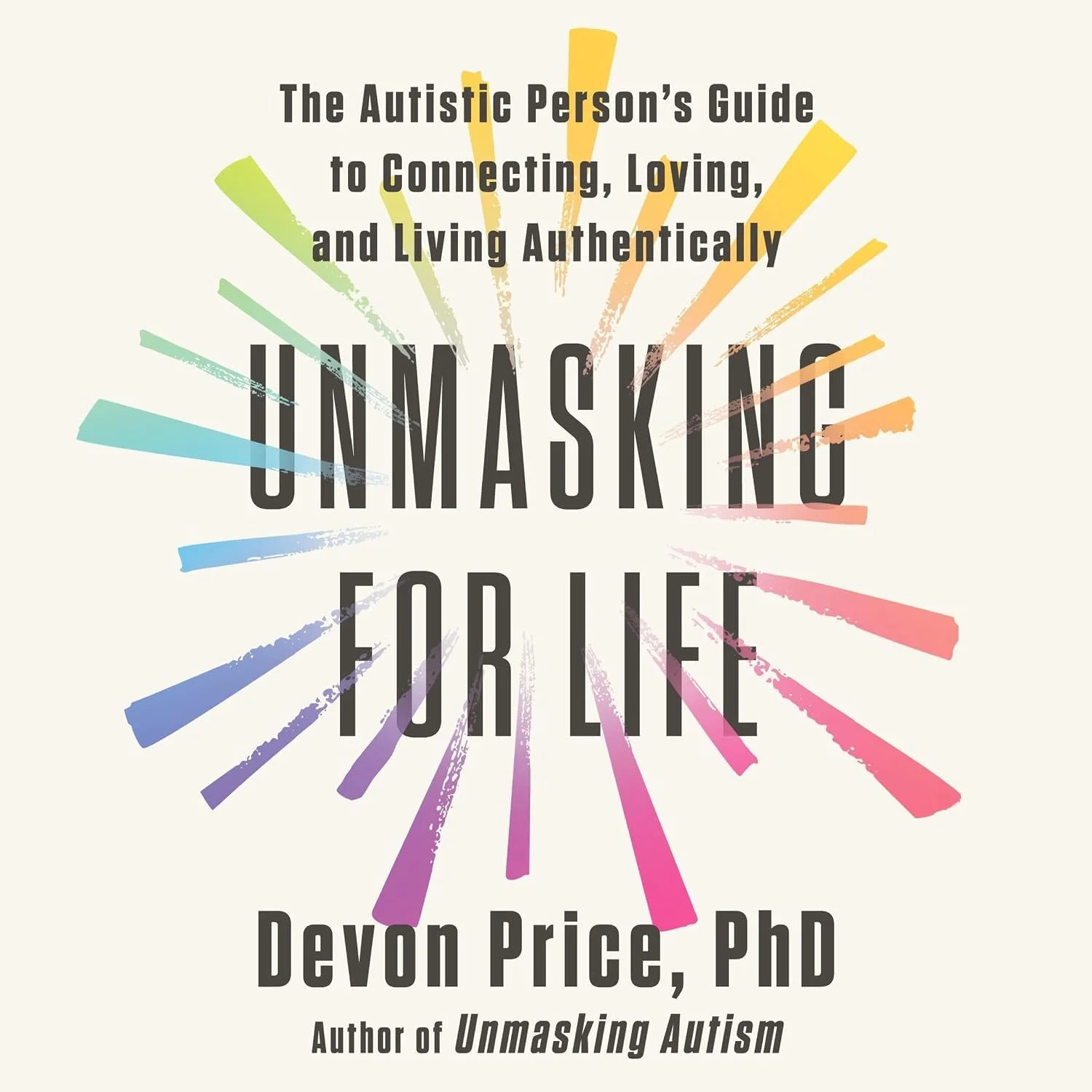
Book Cover of Unmasking for Life by Devon Price, PhD
For the Person Who Wants to Unmask but Doesn’t Know How… Unmasking for Life by Dr. Devon Price
Following their first book, Unmasking Autism, this book takes a more instructional approach to how to be your authentic self while connecting to yourself and others. It’s the guidebook all late discovered Autistics desperately wanted and never got.
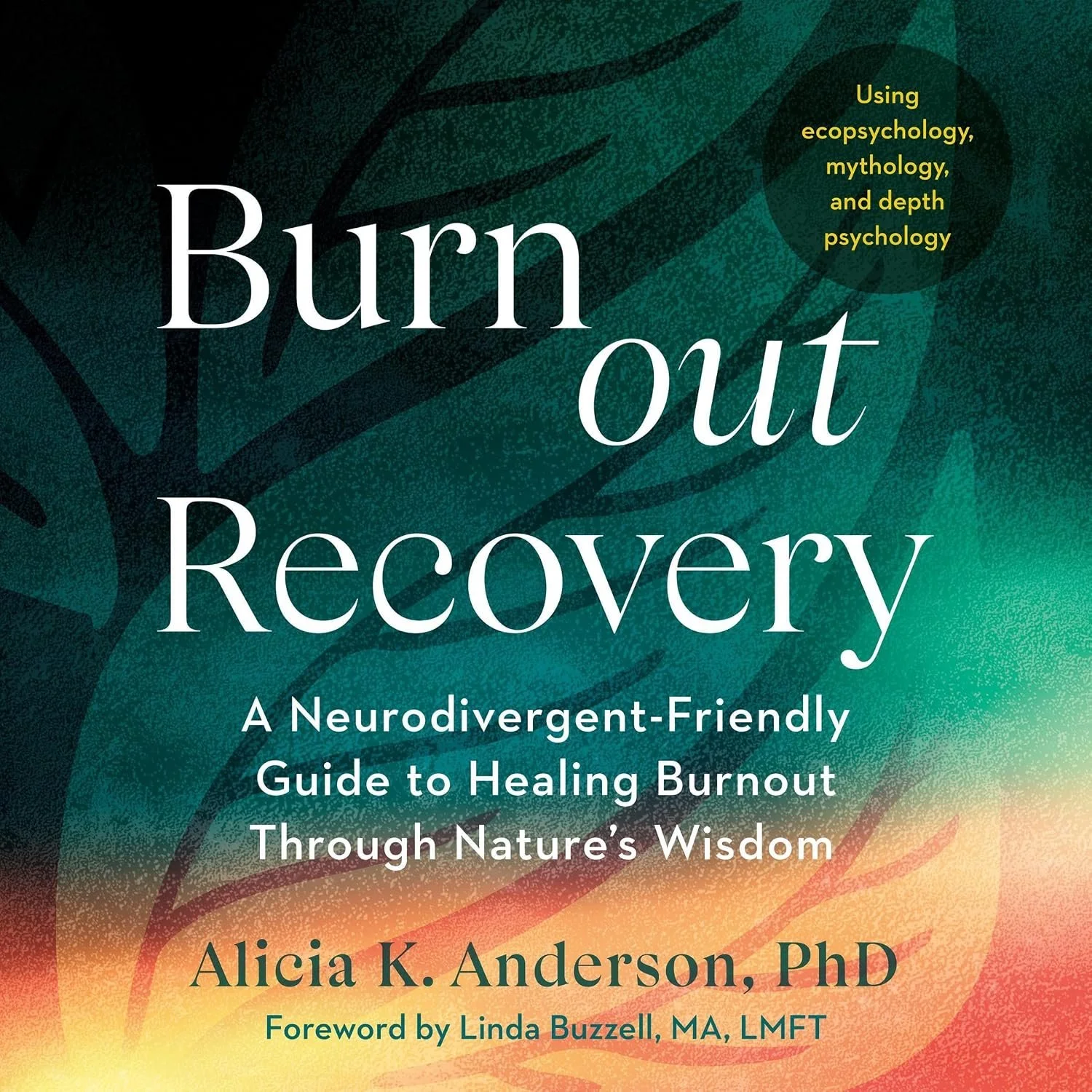
Book cover image of Burnout Recovery by Alicia K Anderson, PhD
For the person struggling with work burnout… Burnout Recovery by Alicia K. Anderson, PhD
Simple and effective with many self-help exercises to try, this book uses the metaphor of a forest fire to explain the nuances of burnout. While it is broad in scope, it does specifically address neurodivergent burnout in parts and takes an overall neuroaffirming lens.
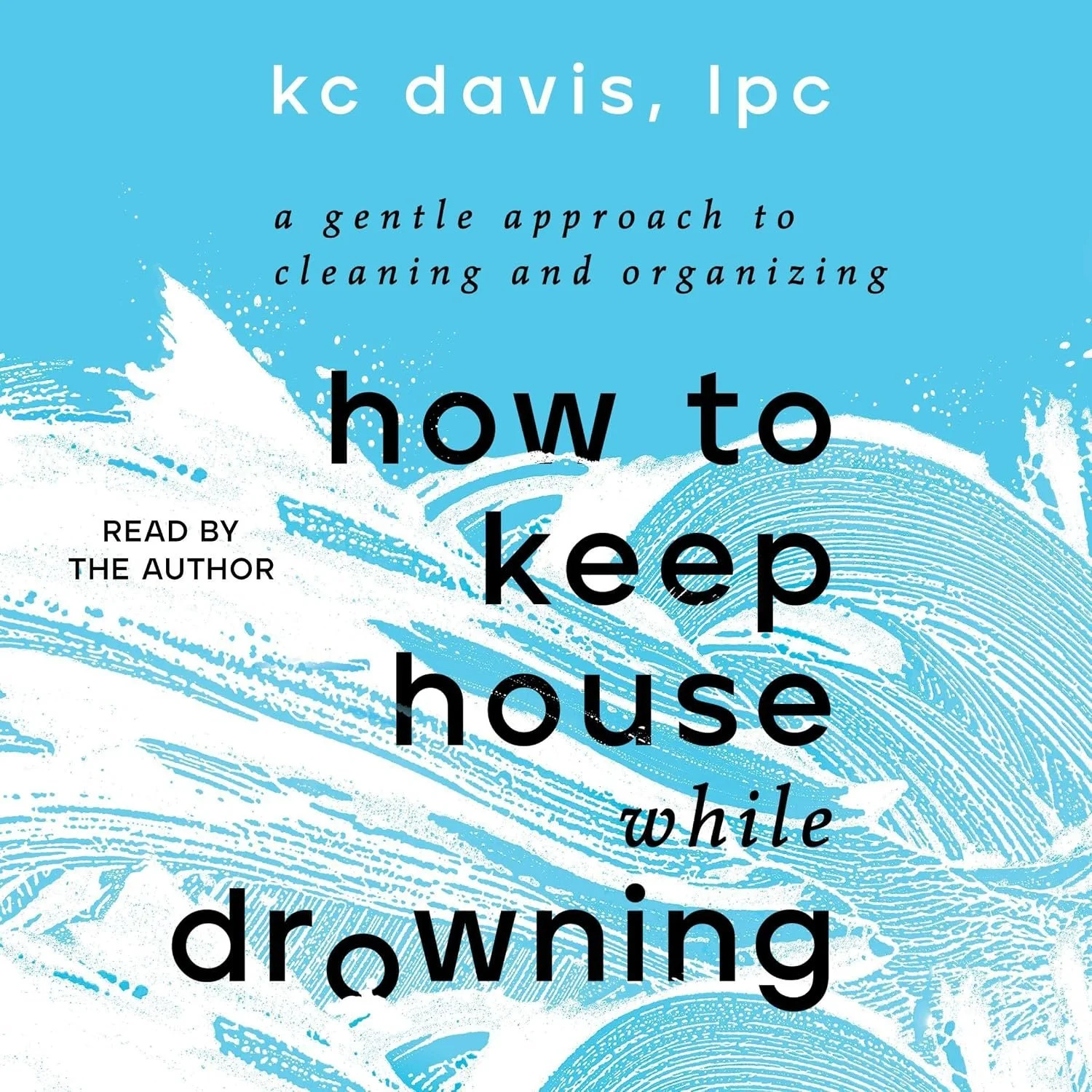
Book cover for How to Keep House while Drowning by KC Davis
For the person who excels at work but struggles to function at home… How to Keep House while Drowning by KC Davis, LPC
KC Davis presents an alternative way to see care tasks and shift your mindset towards acceptance. This helps the reader implement her practical strategies, and gives us permission to do things in the ways that work for us, even if they might seem weird to someone else.

Book Cover for Complex PTSD: From Surviving to Thriving by Pete Walker
For the person who isn’t sure if they have Autism or trauma… Complex PTSD: From Surviving to Thriving by Pete Walker
Spoiler alert: There’s a good chance it’s both… but that’s a topic for another blog.
Although this book doesn’t specifically address Autism or ADHD, many therapy clients with co-occurring C-PTSD or symptoms have found it incredibly useful. Not only does it provide tons of information to help you understand complex PTSD, it also has many specific tools and skills to help clients recover.

Image of Rebecca Ogle, a white woman with blond hair, that says “About the Author: Rebecca Ogle is a Licensed Clinical Social Worker and Psychotherapit who provides psychotherapy to adults in Illinois and Indiana. She enjoys writing about neurodivergence, mental health, and trauma.
